

Key facts
- Sen. Bernie Sanders said Wednesday that he intends to focus on universal healthcare and oversight investigations when he takes over as chairman of the Health, Education, Labor and Pensions Committee next year..1
- A KFF poll conducted in mid-September showed 66% of respondents support a national health plan when told it would “guarantee health insurance for all Americans.”.1
- House Democratic Leader Hakeem Jeffries is expected to become speaker next Congress..1
Sen. Bernie Sanders said Wednesday that he intends to focus on universal healthcare and oversight investigations when he takes over as chairman of the Health, Education, Labor and Pensions Committee next year..1 Sanders has served as ranking member on the panel during this session of Congress.1
Sanders said on a call with reporters that he also intends to take a “hard look at the impact of AI and robotics on the well-being of the American people.”.1 Sanders said the country’s current healthcare system is “broken, it is dysfunctional and it is extraordinarily cruel.”1
Sanders said he wants to move the country toward universal healthcare, which he said “should be a 'Medicare for All,' single payer program.”1
KFF poll finds broad support for national health plan
A KFF poll conducted in mid-September showed 66% of respondents support a national health plan when told it would “guarantee health insurance for all Americans.”.1 The level of support was about the same, 75%, when people were told it would “eliminate all insurance premiums and reduce out-of-pocket costs for most Americans.”1
A slight majority, 52%, of respondents said they’d support a Medicare for All-type plan when told it would “eliminate private health insurance companies.”.1 Approval dropped to 38% when those polled were told it could “threaten the current Medicare program.”1
Jeffries backs Medicare expansion, Paul seen as top GOP on committee
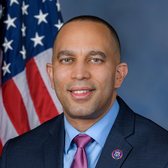
House Democratic Leader Hakeem Jeffries is expected to become speaker next Congress..1 Jeffries has said he supports a transition of sorts that would lower the age of eligibility for Medicare from 65 to 55; ensure it covers children; and expand coverage to dental, hearing and vision.1
The HELP Committee will likely take a look at how Health and Human Services Secretary Robert F. Kennedy Jr. has managed the department, including the ongoing measles outbreak..1 Sanders said the committee will look into how health insurance companies are “ripping off the American people” and why pharmaceutical companies charge higher prices for certain drugs than they do in other countries.1
Sanders said many of the policy goals and investigations he plans to pursue are unlikely to get support from Republicans..1 Sanders said there are some areas of overlap that could lead to bipartisanship.1
Sanders: Medicare for All is 'where the American people are'
Sanders told reporters it’s unlikely he ever agrees with members of the Make America Healthy Again movement on vaccines..1 Sanders said there could be common ground on health foods and better access to healthcare.1
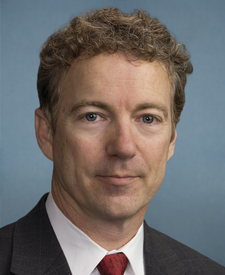
Sanders said there may be some areas of overlap with Kentucky Sen. Rand Paul, who will likely become the top Republican on the committee next year..1 Sanders said Paul has shown “courage in taking on Republican leadership year after year.”1
A four-year path to universal coverage
Sanders' agenda lays out the legislative implementation for proposals he and progressive candidates championed on the campaign trail this cycle..2 The first year of Sanders' Medicare for All proposal would lower the Medicare eligibility age from 65 to 55..2 The first year would expand coverage to include dental, vision and hearing care..2 The first year would guarantee healthcare to children through age 18.2
Sanders has long championed a single-payer national health insurance program that would replace most private insurance with a federally administered system providing universal coverage..2 Sanders' proposal for the new Congress lays out a four-year transition to that system.2 The second year would lower the eligibility age to 45, followed by 35 in the third year, before extending coverage to all Americans in the fourth year.2
The proposals offer an early glimpse of how progressives hope to shape the Democratic Party’s priorities after an election that delivered the party control of Congress but also exposed competing visions for its future.2